Concrete Removal: Costs, Methods, and Disposal Explained
By Daniel Reyes · Published · 5 min read
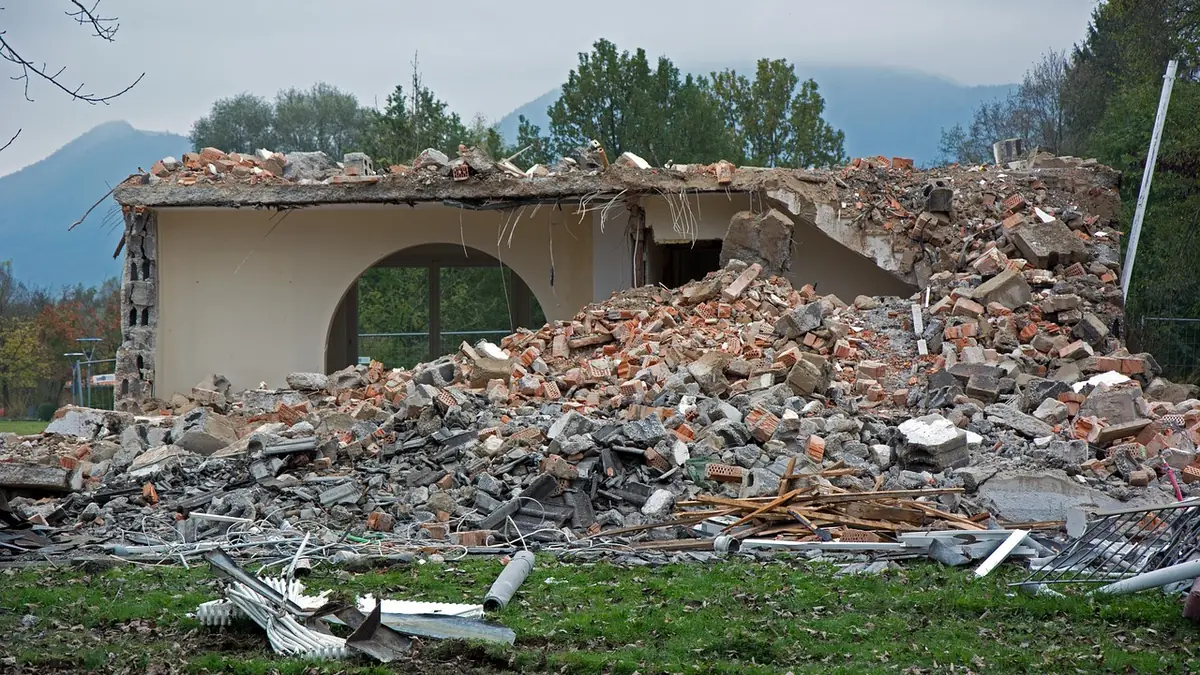
Concrete removal looks simple from the curb: break it up, haul it away. In practice, the price swings widely with slab thickness, reinforcement, access for equipment, and what your local landfill or recycling yard charges per ton. A thin walkway and a rebar-reinforced driveway can differ by several hundred dollars even when they cover the same square footage.
This guide breaks down how contractors price demolition and disposal, what you can realistically do yourself, and the jobs where removing concrete beats covering it up. Where numbers appear, treat them as typical ranges for planning, not quotes. Your address, haul distance, and the season all move the final figure.
Why Concrete Removal Costs What It Does
Removal is priced on volume and weight, not just square footage. A 4-inch slab weighs roughly 50 pounds per square foot, so a 400-square-foot patio is about 10 tons of debris before you add base material. Every ton has to be broken, lifted, loaded, and either dumped or recycled, and each of those steps carries a cost.
Thickness is the single biggest multiplier. Doubling slab depth doubles the tonnage, the truckloads, and the dump fees. Reinforcement matters too: plain mesh slows crews down, while thick rebar or welded wire can add labor because it must be cut and separated before the concrete is accepted at a recycling yard.
Access decides how the work gets done. A slab beside a driveway can be scooped by a skid steer in hours. A backyard pour hemmed in by fences, mature trees, or a steep grade may need a mini excavator or hand breaking, which can push labor up by a third or more compared with open-access jobs.
- Typical range: $2 to $8 per square foot for removal and hauling
- A 4-inch slab weighs about 50 lb per square foot
- Rebar, thick sections, and tight access raise the price fastest
- Haul distance to the disposal site adds a per-load charge
Typical Price Ranges by Project Type
For planning, most residential jobs land between $500 and $3,000. Small flatwork such as a stoop or a short walkway often runs $400 to $900. A standard 400- to 600-square-foot driveway typically falls between $1,200 and $2,800, depending on thickness and whether the crew must saw-cut control joints first.
Pools, footings, and reinforced structural slabs sit at the top of the range. A concrete pool deck removal can run $3,000 to $8,000 because of the tonnage and the care needed around the shell. Foundation work is a different category entirely and should always be handled by an engineer-led crew.
These numbers usually include breaking, loading, hauling, and dump fees. If you see a quote that looks unusually low, ask whether disposal is included. Hauling is often 25 to 40 percent of the bill, and some contractors list it as a separate line item after the fact.
- Walkway or small pad: roughly $400 to $900
- Driveway: roughly $1,200 to $2,800
- Pool deck: roughly $3,000 to $8,000
- Extra charges apply for saw cutting, rebar, and tight access
| Project | Size (sq ft) | Typical Cost | Common Access Needs |
|---|---|---|---|
| Small stoop or step | 20-40 | $300-$700 | Hand tools |
| Walkway section | 100-200 | $400-$900 | Wheelbarrow or mini skid |
| Patio | 250-400 | $900-$1,800 | Skid steer |
| Driveway | 400-600 | $1,200-$2,800 | Skid steer plus dump truck |
| Pool deck | 600-900 | $3,000-$8,000 | Mini excavator, careful staging |
| Footings or foundation slab | Varies | $4,000+ | Engineered demolition plan |
Disposal, Recycling, and Dump Fees
Clean concrete is one of the most recyclable construction materials. Most yards accept broken concrete, crush it, and reuse it as base rock or fill. Tipping fees commonly range from $20 to $60 per ton, and a tandem-axle dump truck holds roughly 10 to 15 tons, so a single load can carry a meaningful fee.
Recycling is usually cheaper than landfill disposal, and some yards discount clean loads with no rebar or trash mixed in. Ask your hauler where the material goes. If it is being crushed and reused locally, that is both cheaper and easier on the site.
Weight limits matter. An overloaded truck is a safety problem and a ticket risk, so crews plan loads around legal capacity rather than piling until the bed is full. That is part of why hauling is quoted per load instead of per hour. For a full cost breakdown, see Concrete Removal and Disposal Costs Explained.
DIY Breaking vs. Hiring a Crew
Renting a jackhammer or a walk-behind saw and breaking out a small pad is realistic for a fit homeowner. Budget $80 to $200 for a day's rental, plus gloves, eye protection, and hearing protection. A 10-by-10-foot, 4-inch slab might take a full weekend, and your back will notice.
The math changes quickly with size. Once you pass roughly 150 to 200 square feet, the rental costs, hauling trips, and physical toll usually exceed the savings. Loading 10 tons of rubble into a pickup at 1,000 pounds per trip means twenty trips, which is rarely worth it.
Safety is the deciding factor. Buried utilities, post-tension cables, and asbestos-containing materials in older structures are real hazards. Call 811 before any digging or breaking near buried lines, and leave structural slabs and anything with unknown history to professionals.
If you are replacing rather than removing, the new pour matters as much as the demo. Thickness guidance in Concrete Slab Thickness: How Thick Should It Be? helps you spec the replacement correctly, and Concrete Stair and Step Construction: Costs and Code Tips covers steps and stoops that often get removed alongside flatwork.
When Removal Beats Covering It Up
Sometimes the cheapest fix is not removal. Hairline cracks and surface wear can be repaired for a fraction of demolition cost, and a cracked driveway does not always need to come out. Repair is the right call when the base is stable and the damage is cosmetic or isolated.
Removal wins when the slab has settled badly, when root heave has broken it into shifting pieces, or when you are changing the use of the space, such as converting a driveway into a garden bed or extending a patio. A slab that moves underfoot will crack any topping you place over it.
Weigh repair against replacement honestly. A sidewalk repair comparison in Concrete Sidewalk Repair vs. Replacement: Cost Comparison shows how the numbers usually shake out, and crack-specific fixes are covered in How to Fix Cracks in a Concrete Driveway. If you are resurfacing anyway, Stamped vs. Broom Finish Concrete: Which Should You Choose? explains the finish options worth pricing at the same time.
What to Ask Before You Sign
Get a written scope that names what is included: saw cutting, breaking, loading, hauling, dump fees, and site cleanup. Ask whether the price covers any base material removal. Old gravel and sand under the slab often has to go too, and that is extra tonnage nobody mentions up front.
Confirm protection for the rest of the property. Trucks crack driveways, equipment scars lawns, and flying debris breaks windows. Ask how the crew protects landscaping and where they will stage debris. Confirm the contractor carries insurance and check the license where your state requires one.
- Written scope with disposal and dump fees itemized
- Base material removal included or clearly excluded
- Proof of insurance and licensing
- Plan for protecting lawns, fences, and nearby structures
- Confirmed disposal or recycling destination
- Most residential concrete removal runs $2 to $8 per square foot, including hauling.
- Thickness and reinforcement drive the price more than square footage alone.
- Clean concrete is recyclable and often cheaper to dump than mixed debris.
- Small pads are DIY-friendly; anything over about 200 square feet usually is not.
Daniel has spent years writing about concrete construction, repair, and finishing for homeowners in the Sarasota area. He focuses on practical cost guides and clear explanations so readers can plan projects with confidence. His work covers driveways, patios, foundations, and decorative concrete finishes.