Concrete Removal and Disposal Costs Explained
By Daniel Reyes · Published · Updated · 6 min read
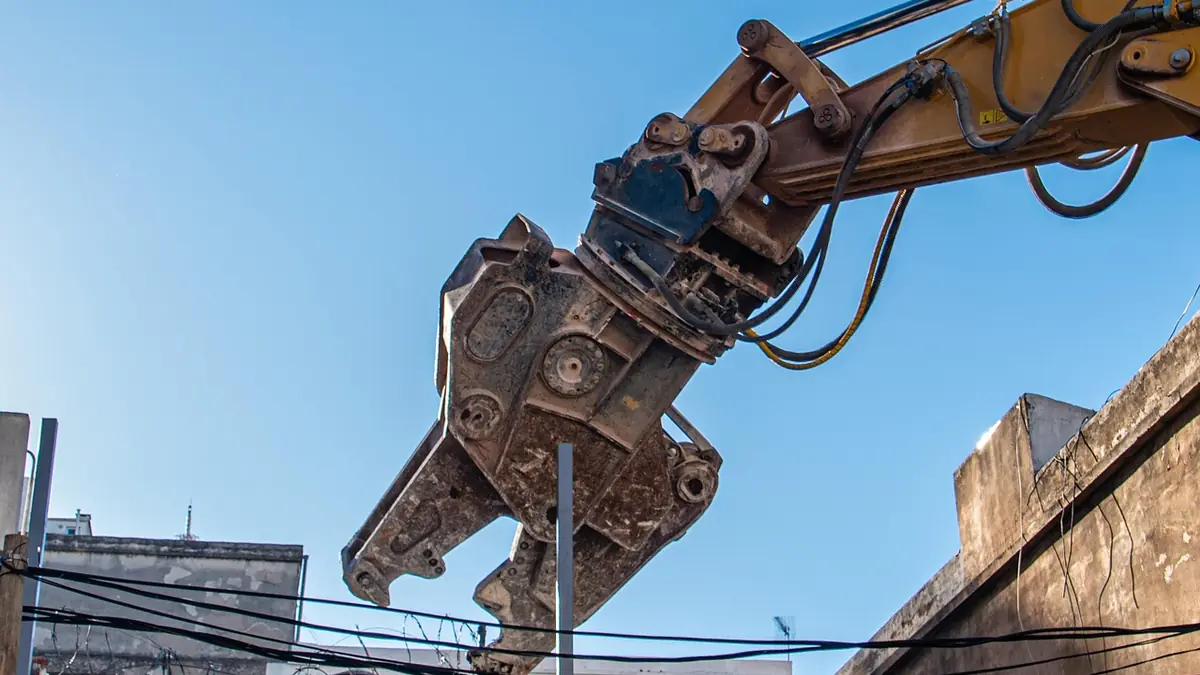
Old concrete rarely fails all at once — a cracked driveway, a sunken patio slab, a garage apron that has heaved after a decade of Florida rain. The moment you decide to replace it, you inherit a second project: getting the old material out. That removal phase is often the line item homeowners underestimate most, because it's priced by weight, access, and labor rather than by square footage alone.
This guide breaks the job into its real components — breaking, loading, hauling, and tipping fees — with the ranges you'll typically see in and around Sarasota. Prices shift with fuel, dump charges, and how easily a machine can reach the slab, so treat every number here as a planning range, not a quote.
What Removal Actually Involves
Concrete removal is four jobs stacked together: cutting and breaking the slab, separating rebar or mesh, loading the rubble, and disposing of it at a facility that accepts clean fill. A thin patio might break up with a sledge and a pry bar, while a six-inch driveway with welded wire mesh needs a breaker or a small excavator. Each step carries its own labor and equipment charge, and skipping one on a quote usually means it shows up later as an add-on.
The single biggest cost driver is weight, not area. Concrete runs roughly 4,000 pounds per cubic yard, so a 20-by-20-foot driveway at five inches thick is about 6 cubic yards — around 12 tons of material. That tonnage is what you pay to lift, transport, and tip. It's also why a thick slab costs noticeably more to remove than a thin walkway of the same footprint.
Access matters as much as volume. A slab behind a gate, next to a pool screen, or over a septic line may have to be broken and carried out by hand, which can double or triple labor. If a skid steer or mini excavator can reach the slab, the same job often takes a fraction of the time. Ask any contractor whether their price assumes machine access or hand work.
- Breaking and cutting the slab
- Separating and disposing of rebar or mesh
- Loading debris into a truck or dumpster
- Hauling to a recycling or landfill facility
- Dump tipping fees by weight
- Site protection and cleanup
Typical Price Ranges
For straightforward residential work with truck access, expect removal and hauling of a standard slab to land somewhere between $2 and $6 per square foot, with the middle of that range covering most driveways and patios. Small jobs carry a minimum — many crews won't mobilize a machine and a truck for less than $500 to $800, no matter how tiny the slab. Large open slabs are cheaper per square foot because setup costs spread across more area.
Thick, reinforced, or hard-to-reach concrete pushes toward the top of the range or beyond. Hand demolition in a tight courtyard, cutting through a slab tied into a block wall, or removing concrete over utilities can run $8 to $15 per square foot. If the slab contains post-tension cables or is part of a structural element, stop and get an engineer involved — that is not a DIY demolition job.
Disposal is often quoted separately or bundled into the per-square-foot price. A 20-yard dumpster for heavy debris typically runs $500 to $800 delivered in this region, and overweight loads trigger extra charges. If a contractor quotes a low removal number, ask directly whether dump fees are included or billed on top.
Dump Fees, Recycling, and the Weight Problem
Clean concrete is one of the most recyclable construction materials, and many facilities accept it at a lower rate than mixed debris — often $20 to $60 per ton versus $60 to $100 or more for contaminated loads. Rebar, dirt, and painted coatings can downgrade a load, so separating steel before hauling can save real money. Some yards will take clean broken concrete free or at a nominal fee and crush it for base material.
Weight limits are the trap. A standard dump trailer or dumpster rated for 10 tons will be overloaded by a large driveway if you fill it to the top. Overweight penalties and second trips erase the savings of a cheap container. If you're managing disposal yourself, calculate tonnage first: length × width × thickness in feet, divided by 27 for cubic yards, times about 2 tons per cubic yard.
Doing your own hauling only makes sense for small volumes and if you already own a heavy trailer and tow vehicle. Renting a trailer, paying dump fees, and making two trips usually costs more than a single dumpster for anything beyond a small walkway. The economics flip when the slab is large and the dump is far away.
Labor, Equipment, and Scheduling
Crew size and equipment set the labor line. A two-person crew with a walk-behind saw, electric breakers, and hand tools suits most residential slabs; a machine day with an excavator and operator adds roughly $800 to $1,500 but can replace several days of hand work. Dust control matters too — wet cutting and water suppression are standard practice and worth insisting on, especially near doors and windows.
Scheduling affects price more than people expect. Removal booked as part of a full replacement is cheaper than a standalone demolition because mobilization is shared with the pour. If you're replacing the slab anyway, sequence the work so removal, grading, and forming happen back-to-back. If you plan to pour soon after, check how long concrete takes to cure in Florida heat so the schedule doesn't leave an open hole in your yard for weeks.
Permits and utility locates belong in this phase. Call 811 before any digging or breaking near buried lines, and confirm whether demolition requires a permit in your jurisdiction. A slab replacement usually does; see whether you need a permit for a concrete slab in Sarasota before the crew shows up, because an unpermitted tear-out can stall the entire project.
| Job type | Typical cost | Weight (approx.) | Notes |
|---|---|---|---|
| Small walkway, 10x4 ft, 4 in | $500–$900 (often minimum) | ~2.5 tons | Hand work common; dumpster may be shared |
| Patio, 15x15 ft, 4 in | $900–$1,800 | ~7 tons | Machine access usually assumed |
| Driveway, 20x20 ft, 5 in | $1,800–$3,500 | ~12 tons | Reinforced slabs cost more to break |
| Driveway, 24x24 ft, 6 in, reinforced | $3,000–$5,500 | ~17 tons | Mesh separation adds labor |
| Hand demolition, tight access | $8–$15 per sq ft | Varies | Screened pool areas, courtyards |
| Dumpster, 20-yard heavy debris | $500–$800 | 10-ton limit | Overweight fees apply above limit |
| Clean concrete recycling drop-off | $20–$60 per ton | By scale ticket | Cheaper than mixed debris |
Replacement Math: Removal Versus Repair
Removal only makes sense when repair won't hold. Hairline cracks, spalling at the edges, or a single settled panel can often be patched, mudjacked, or resurfaced for a fraction of tear-out cost. Full removal is the right call when the slab is fractured into multiple pieces, heaving badly, or sitting on failing base that will just crack the new pour. The thickness of what you're replacing matters too — review concrete slab thickness guidelines so the new slab is built to carry the load.
Budget the whole project, not just the demolition. A typical replacement runs removal plus new concrete plus finishing, and the new pour alone often costs $6 to $12 per square foot depending on thickness, reinforcement, and finish. Adding decorative work raises that further; coloring and staining options and prices are worth pricing before you commit to plain gray.
If the new slab is large or the truck can't reach the forms, pumping becomes a line item. Read when a pump truck is worth the cost so the placement method doesn't surprise you. Some homeowners also compare a coating instead of a full replacement — epoxy versus polished concrete for garages lays out that trade-off when the existing slab is structurally sound.
How to Keep the Bill Down
The cheapest removal is the one you don't pay twice for. Get a written scope that names tonnage assumptions, dump fees, machine versus hand work, and what happens if the slab turns out thicker than expected. Thickness surprises are common in older properties where a patio was poured over an existing slab. A contractor who inspects and probes before quoting avoids most of those arguments.
Scheduling removal alongside a neighbor's project or during a contractor's already-mobilized week can shave a few hundred dollars. So can keeping the debris clean: pull out rebar, don't toss in dirt or palm fronds, and keep the pile accessible. If you're reusing the space, ask whether crushed concrete from your own slab can serve as base — occasionally it can, which cuts both disposal and material costs.
Finally, get two or three itemized quotes rather than lump sums. The spread between bids on the same slab is often 30 to 50 percent, and the difference is usually in disposal handling and access assumptions, not in the breaking itself. Itemized quotes make those assumptions visible and give you something concrete to negotiate.
- Removal is priced by weight and access more than square footage — a thick reinforced driveway can weigh 12–17 tons.
- Most residential removal lands between $2 and $6 per square foot, with small jobs hitting $500–$800 minimums.
- Clean concrete recycles cheaply; mixing in dirt or trash can double disposal costs per ton.
- Get itemized quotes that state whether dump fees and machine access are included.
Daniel has spent years writing about concrete construction, repair, and finishing for homeowners in the Sarasota area. He focuses on practical cost guides and clear explanations so readers can plan projects with confidence. His work covers driveways, patios, foundations, and decorative concrete finishes.