Stamped vs. Broom Finish Concrete: Which Fits Your Project?
By Daniel Reyes · Published · 4 min read
Walk any Sarasota driveway and you can usually guess the finish from across the street. Broom finish is the gray workhorse you see on sidewalks, patios, and pool decks—flat, textured, and honest. Stamped concrete is the dressed-up version, pressed with mats to mimic pavers, stone, or wood, and it changes the whole look of a yard.
The choice is rarely about which one is "better." It comes down to where the surface sits, who walks on it, how wet it gets, and what you're willing to spend now versus spend again later. Here's how the two finishes actually differ in the field.
What Each Finish Actually Is
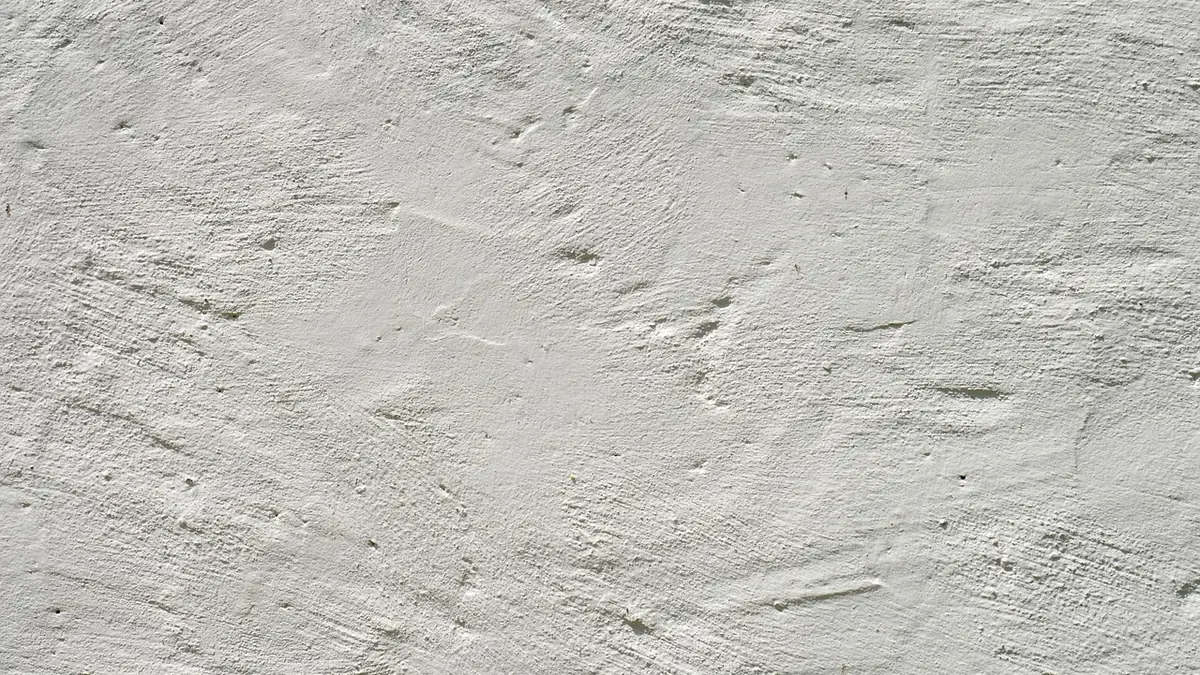
Broom finish is a simple mechanical process. After the slab is floated and reaches the right firmness, a stiff-bristled broom is dragged across the surface in straight, even pulls. The bristles leave shallow parallel grooves that knock down the slickness of the cream and give the slab its familiar texture. It takes one worker minutes per section, and it's the default spec on most residential flatwork because it's fast, forgiving, and predictable.
Stamped concrete starts as a colored, often integrally pigmented slab, then gets a release agent dusted on top. Rubber or polyurethane mats are pressed into the partially set concrete with hand tools, stamps, or a roller to imprint stone, brick, flagstone, or wood-grain patterns. Crews then hand-tool joints, wash the release, and apply a sealer. A typical stamped job costs several times more per square foot than broom—anywhere from roughly $12 to $25 per square foot installed versus $6 to $12 for broom.
- Broom: one pass with a broom, no color or sealer required
- Stamped: color hardener, release agent, mats, hand detailing, and sealer
- Broom is walkable within a day; stamped needs curing before sealing
- Stamped patterns vary in depth, so detail work drives the price
Slip Resistance and Wet-Weather Performance
Here's the counterintuitive part: a fresh broom finish is one of the grippiest surfaces you can put underfoot, especially when wet. The grooves channel water and give shoe treads something to bite. That's why pool decks, sidewalks, and boat ramps are almost always broomed. The texture does soften with traffic and weathering over the years, so a very old, chalky broom slab can get slick—but new concrete doesn't.
Stamped concrete can be equally safe or notably slick, depending on the pattern and sealer. Deep grout lines and textured stone mats provide good grip. But a smooth-as-glass stamp sealed with a high-gloss film-form sealer can turn into a skating rink when wet, which is a real concern on pool decks and shaded north-facing patios. If slip resistance matters, ask for a texture-heavy pattern and a penetrating or matte sealer rather than a heavy gloss.
- Broom grooves shed water and grip well wet or dry
- Smooth stamp patterns plus glossy sealer can be dangerously slick
- Pool decks and ramps: broom or a deeply textured, matte-sealed stamp
- Re-sealing worn stamped surfaces restores both looks and traction
Cost, Square Footage, and Where the Money Goes
For plain gray flatwork, broom finish is baked into the base price, so you're paying for concrete, forms, and labor only. In the Sarasota and Bradenton area, expect roughly $6 to $12 per square foot for broom-finished slabs, with site access, thickness, and reinforcement moving the number. Small jobs and tight backyards sit at the top of that range. For a fuller breakdown of patio pricing, see our concrete patio cost guide for Southwest Florida homes.
Stamped work usually lands between $12 and $25 per square foot, and complex borders, multiple colors, and hand-carved joints push toward the top. The premium isn't the concrete—it's the color hardeners, release agents, extra labor, mats, and sealer. Sealer reapplication every two to four years adds a maintenance line item broom slabs never have. If you're already comparing surface options for a garage, our epoxy vs. polished concrete comparison covers a third and fourth path.
- Broom: roughly $6–$12 per square foot installed
- Stamped: roughly $12–$25 per square foot installed
- Sealer reapplication every 2–4 years for stamped surfaces
- Removal of old slabs is a separate cost on both finishes
Maintenance and Longevity
Broom concrete asks almost nothing. Sweep it, hose it, occasionally pressure-wash mild stains, and it will look decent for decades. Hairline cracks and surface wear show up as gray-on-gray, so they're far less noticeable than on a patterned, colored surface. If a section fails, patching blends reasonably well because there's no color or pattern to match.
Stamped concrete is a finish you maintain, not just own. Sealer wears off in high-traffic lanes and under Florida sun, and once it goes, color fades and stains soak in. Plan on cleaning and re-sealing every two to four years—typically a few dollars per square foot each time. Freeze-thaw isn't a Florida issue, but sun, salt air, and heavy rain are, and poor sealing shortens the life of the color. Done right, both finishes can last 25 to 30 years or more.
Curb Appeal and Resale
Broom finish reads as clean and utilitarian, which is exactly right for sidewalks, utility pads, and side yards. On a front entry or pool deck, plain gray can look unfinished next to pavers or tile. It's not ugly—it's just neutral, and neutral doesn't sell anything.
Stamped concrete delivers the look of pavers or natural stone at a fraction of the installed cost of real masonry, and it photographs well for listings. The catch is execution: a bad stamp job with muddy color and uneven joints looks worse than good broom. When the pattern, color, and border are chosen with restraint, stamped surfaces hold up visually for years and can meaningfully lift the perceived value of a lanai or driveway.
Where Each Finish Belongs
Broom wins on anything that gets wet, gets abused, or has to be built cheaply and last. Driveway aprons, sidewalks, pool decks, utility slabs, shed pads, and rental properties all make sense broomed. It's also the smarter choice when the slab may need repair later, since matching texture is trivial. If a walkway is cracked or spalling, our sidewalk repair vs. replacement cost comparison helps you decide whether to patch or pour fresh.
Stamped concrete earns its price on visible, low-traffic surfaces: front entries, covered lanais, patio borders, and decorative driveways on higher-end homes. It's a poor fit for steep slopes, tight budget projects, and areas where heavy equipment will drag across the surface. Whichever way you go, confirm whether the work needs a permit before crews mobilize—our guide on whether you need a permit for a concrete slab in Sarasota covers the local rules.
| Factor | Broom finish | Stamped concrete |
|---|---|---|
| Installed cost per sq ft | $6–$12 | $12–$25 |
| Slip resistance (wet) | Excellent | Good to poor, depends on pattern and sealer |
| Maintenance | Sweep and occasional wash | Clean and re-seal every 2–4 years |
| Typical lifespan | 25–30+ years | 25–30 years with sealing |
| Best use | Sidewalks, pool decks, driveways, pads | Entries, lanais, decorative patios and driveways |
| Repair matching | Easy | Difficult; color and pattern must be matched |
- Broom finish is the safer, cheaper choice anywhere water and foot traffic meet.
- Stamped concrete buys curb appeal, but budget for re-sealing every few years.
- Glossy sealer on a smooth stamp is a slip hazard; choose texture and matte sealers.
- Match the finish to visibility and traffic, not to what looks best in photos.
Daniel has spent years writing about concrete construction, repair, and finishing for homeowners in the Sarasota area. He focuses on practical cost guides and clear explanations so readers can plan projects with confidence. His work covers driveways, patios, foundations, and decorative concrete finishes.