Concrete Guide for Sarasota Homes: Costs, Repairs, Finishes
By Daniel Reyes · Published · 5 min read
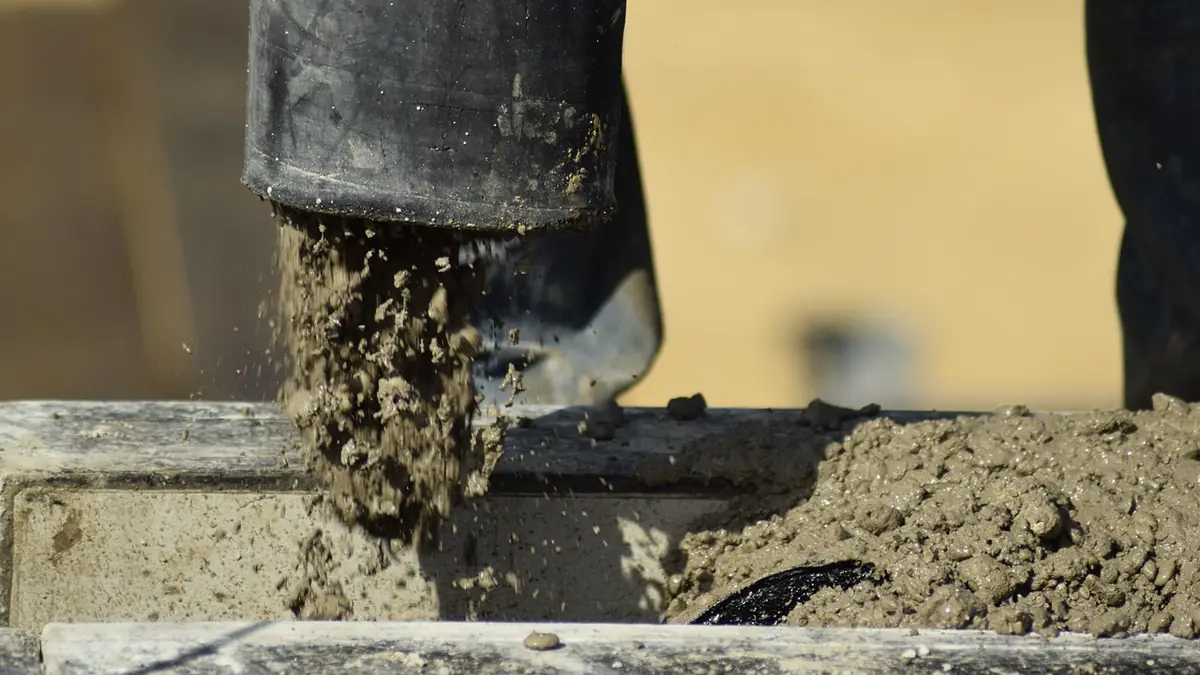
Concrete work in Sarasota is shaped by the same forces everywhere in coastal Southwest Florida: sandy soil, a high water table, intense sun, and heavy summer rain. That combination changes how slabs are graded, how mixes are finished, and how long you should wait before parking on a new driveway. This guide pulls the practical numbers together so you can budget and plan without surprises.
Below you'll find typical cost ranges for common residential jobs, a comparison of finish and repair options, and the questions worth asking a contractor before the first truck arrives. Ranges reflect normal residential scale in the region; your quote will move with access, square footage, and how much prep the site needs.
What Drives Concrete Cost in Sarasota
Most residential flatwork here prices out around $6 to $12 per square foot installed for a basic broom-finished slab, with stamped or decorative work climbing to roughly $12 to $25 per square foot. The spread is rarely about concrete itself, which is a modest share of the bill. It's excavation, base prep, formwork, reinforcement, finishing labor, and hauling away spoils.
Site access matters more than homeowners expect. A backyard patio reachable only through a side gate means wheelbarrow or pump work, and pumps run several hundred dollars for a short setup. Sandy soil may need extra base compaction or stabilization before forms go down. Removal and disposal of an old slab adds roughly $2 to $5 per square foot on top of new work.
Season also plays a role. Summer pours often start at dawn to beat the heat, and finishers may add retarders so the mix stays workable. That's normal, not an upsell. If a quote is dramatically below others, ask what's excluded: base material, rebar versus mesh, expansion joints, or disposal are the usual gaps.
- Basic broom-finish flatwork: roughly $6–$12 per sq ft installed
- Stamped or decorative finish: roughly $12–$25 per sq ft
- Old slab removal and haul-off: roughly $2–$5 per sq ft
- Pump or limited-access surcharge: often $300–$800
Slabs, Patios, and Permits
A patio or shed slab is a straightforward project until you ask whether it needs a permit. In unincorporated Sarasota County and the city, small ground-level slabs often qualify for exemption, but size, attachment to a structure, and whether the slab supports a roof all change the answer. A detached accessory structure above a modest footprint almost always triggers a permit.
Setbacks and impervious-surface limits matter too, especially near the coast and on smaller lots. A slab poured too close to a property line can create a problem that's expensive to undo. Before you sign a contract, confirm who pulls the permit and who is responsible if an inspector flags the location.
For patios, ask about slope away from the house—typically about an eighth of an inch per foot—and control joints spaced roughly every 8 to 12 feet in both directions. Those two details do more to prevent future cracking than any additive sold at a premium. The permit questions for a Sarasota slab are worth settling before excavation begins.
- Confirm whether the slab is attached to a structure
- Check setbacks and impervious lot coverage
- Verify slope away from the home: about 1/8 inch per foot
- Ask for control joints every 8–12 feet
Driveway Cracks: Repair or Live With It
Hairline cracks in a Florida driveway are close to inevitable. Sun exposure on a wide slab causes expansion and contraction cycles that stress the surface. The question isn't whether cracks appear but whether water is getting under the slab. A crack you can slide a coin into, or one that's widening season to season, deserves attention.
Small cracks under about a quarter inch can be cleaned and filled with a flexible sealant for a modest cost, often a few hundred dollars for a typical driveway. Larger or migrating cracks may need routing and a semi-rigid filler. If the slab has settled and holds puddles, filler alone won't fix it—mudjacking or polyurethane injection to lift the slab is the better spend.
Timing matters. Sealing before the rainy season does more good than sealing in a dry stretch when the crack is closed tight. If you want the step-by-step, repairing cracks in a concrete driveway covers cleaning, filler types, and when to call someone.
- Hairline cracks: monitor, seal when convenient
- Cracks under 1/4 inch: clean and fill with flexible sealant
- Widening or offset cracks: route and use semi-rigid filler
- Ponding or settled slabs: slab lifting, not just filler
Sidewalk Repair Versus Replacement
Trip hazards on a sidewalk usually come from root heave or soil settling. Grinding down a raised lip is cheap, often a few hundred dollars for a handful of panels, and it removes the hazard without touching the slab. Replacement runs considerably more, typically several hundred to over a thousand dollars per panel depending on thickness and access.
The decision hinges on condition, not just height. If the panel is cracked through, crumbling at the edges, or raised again after a previous grind, replacement is the durable answer. If the concrete is sound and the lift is modest, grinding or mudjacking buys years at a fraction of the cost. Our sidewalk repair versus replacement cost comparison breaks down the crossover point.
- Grinding a raised lip: often a few hundred dollars
- Mudjacking a settled panel: moderate cost, fast turnaround
- Full panel replacement: higher cost, best for cracked or crumbled concrete
- Replace rather than grind if the lift has returned
Choosing a Finish: Broom, Stamped, or Polished
Broom finish is the default for driveways, walkways, and pool decks because it's slip-resistant, inexpensive, and hides minor surface variation. Stamped concrete mimics stone or pavers and suits patios and entryways, but it costs roughly double and needs resealing every year or two in Florida sun. In shaded or heavily trafficked areas, stamped surfaces can show wear faster than plain concrete.
Interior and garage floors follow different logic. Epoxy coatings are popular for garages, but in a hot climate they can peel if moisture vapor comes through the slab—a common issue with slabs poured without a vapor barrier. Polished concrete avoids that failure mode and handles abrasion well. Compare the two in our epoxy versus polished concrete guide for garages.
For outdoor living areas, finish choice and budget often go together. If you're weighing a poured patio against pavers or decking, our patio cost guide for Southwest Florida lays out the numbers alongside finish options. The stamped versus broom finish comparison covers maintenance expectations in detail.
- Broom: lowest cost, best slip resistance, low maintenance
- Stamped: higher cost, reseal every 1–2 years outdoors
- Polished: durable indoors, no coating to peel
- Epoxy: check for moisture vapor before coating a garage slab
| Job | Typical Range | Timeline | Notes |
|---|---|---|---|
| Broom-finish slab or patio | $6–$12 per sq ft | 1–3 days | Includes base prep and forms |
| Stamped patio or walkway | $12–$25 per sq ft | 2–4 days | Reseal every 1–2 years |
| Driveway crack sealing | $200–$600 | Half day | Small cracks, flexible filler |
| Slab lifting (mudjacking) | $500–$1,500 | Half day | Settled, sound slabs |
| Sidewalk panel replacement | $400–$1,200 per panel | 1–2 days | Cracked or crumbled panels |
| Old slab removal | $2–$5 per sq ft | 1 day | Added to new work cost |
Curing, Weather, and What to Expect
Concrete doesn't dry; it cures. It reaches most of its strength in about 28 days, though you can walk on a new slab within a day and drive on a driveway in roughly 7 days for light vehicles. In Sarasota's heat, curing happens fast, which is why contractors may cover the slab or mist it to slow moisture loss and reduce surface cracking.
Rain is the wildcard. A light sprinkle during finishing can be worked around; a downpour on fresh concrete can ruin a surface. Reputable crews watch radar and schedule pours early. Ask what happens if weather forces a cancellation—whether you lose a deposit or just reschedule—before the day of the pour.
- Walkable: about 24 hours
- Light vehicle traffic: about 7 days
- Full design strength: around 28 days
- Cover or mist in hot weather to slow moisture loss
- Basic flatwork runs about $6–$12 per sq ft; decorative finishes roughly double that.
- Settle permit and setback questions before excavation, not after.
- Seal driveway cracks before the rainy season and lift settled slabs rather than patching over them.
- Broom finish is the value pick outdoors; polished concrete outlasts epoxy in garages.
Daniel has spent years writing about concrete construction, repair, and finishing for homeowners in the Sarasota area. He focuses on practical cost guides and clear explanations so readers can plan projects with confidence. His work covers driveways, patios, foundations, and decorative concrete finishes.