Concrete Sidewalks: Install, Repair, Replace
By Daniel Reyes · Published · Updated · 6 min read
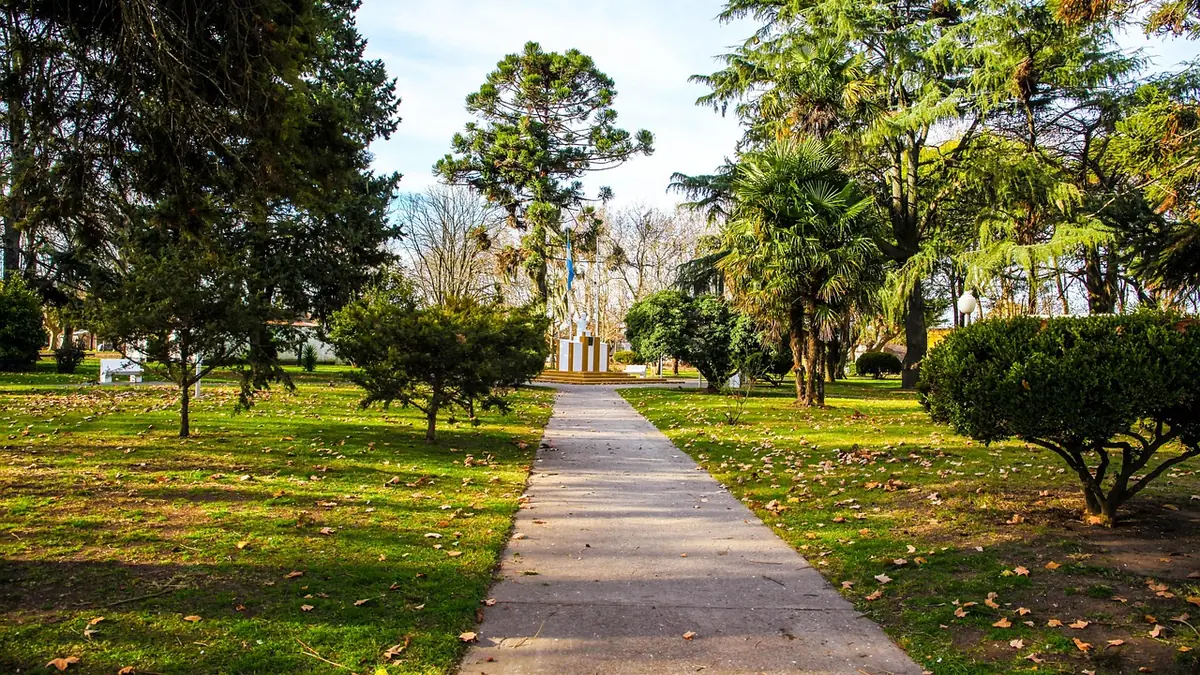
A concrete sidewalk looks like the simplest pour on a property, and that is exactly why so many of them fail early. The work is mostly prep: subgrade, thickness, joints, slope, and drainage decide whether a walk still looks clean after a decade of Florida rain and roots.
This guide covers what residential sidewalk work actually costs around Sarasota, how thick the slab should be, where joints and control cuts belong, when patching makes sense versus a full replacement, and which rules and permits apply when a walk sits near the right-of-way.
What Drives Sidewalk Cost
Most residential sidewalk work prices by the square foot rather than by the linear foot, because width varies from a 3-foot garden path to a 5-foot main walk. For a straightforward broom-finished pour with normal access, expect roughly $8 to $14 per square foot in the Sarasota area, including demolition of an old slab where needed, base prep, forms, and cleanup. Small jobs under about 200 square feet often land at the top of that range because setup and mobilization do not shrink with the pour.
Add-ons move the number quickly. Thicker slabs, integral color, exposed aggregate, and scored or stamped patterns all raise the price, and hand-finishing a walk with many angles and curves takes longer than a straight run. Tight side-yard access that rules out a wheelbarrow and requires a pump adds several hundred dollars or more to a single-day job.
Replacement usually costs more per square foot than new construction in open ground, since breaking out old concrete, hauling it away, and reworking settled base is real labor. A walk that is heaved but structurally sound can sometimes be mudjacked or foam-lifted for a fraction of replacement, provided the slabs are intact and only the grade has moved.
- New broom-finish walk: about $8–$14 per square foot installed
- Demo and haul-off of old slab: roughly $2–$5 per square foot
- Decorative finishes: often $4–$10 per square foot added
- Minimum job charges: common on walks under 200 square feet
Thickness, Base, and Joint Spacing
Residential walks are typically 4 inches thick, which is fine for foot traffic and the occasional wheelbarrow. Bump to 5 or 6 inches where a vehicle may cross the walk, such as a driveway apron or a path wide enough to accept a trailer, and add rebar or welded wire mesh in those sections. Thickness alone will not save a slab poured over soft muck, so the base matters just as much as the concrete.
A 4-inch compacted base of crushed stone under the slab keeps the concrete off bare soil and gives water somewhere to go. In Sarasota's flat lots and sandy soils, grading the subgrade to drain away from the house is the step most often skipped and most often regretted.
Control joints should be cut or tooled to roughly one-quarter the slab thickness, so about 1 inch deep on a 4-inch walk, and spaced at about 2 to 2.5 feet of run per inch of thickness. For a 4-inch walk that means joints every 8 to 10 feet. Isolation joints belong wherever the walk meets a driveway, stoop, or wall so movement does not crack the walk at the connection.
- 4 inches thick for foot traffic; 5–6 inches where vehicles cross
- 4-inch compacted crushed-stone base, graded to drain
- Control joints every 8–10 feet on a 4-inch slab
- Isolation joints at driveways, steps, and walls
Slope, Drainage, and Standing Water
A sidewalk needs a mild cross slope so rain runs off rather than pooling. A rise of about 1/4 inch per foot, roughly 2 percent, is the usual target, and it should never exceed about 1/4 inch per foot toward a building. Slope the walk away from the house and toward the yard, a swale, or a drain, not toward the foundation.
Standing water on a walk is a symptom, not a cosmetic issue. It usually means the slab was poured flat, the base settled, or the walk sits in a low spot that collects runoff from the roof and neighboring lots. Fixing it may mean lifting and re-grading a slab, cutting and re-pouring a short section, or adding a shallow swale or French drain alongside.
In Florida, a walk that traps water against the house can push moisture into the slab edge and stucco. Keep at least a couple of inches of fall across the first 10 feet away from the wall, and keep soil and mulch below the siding line so water does not wick back into the structure.
- Target about 2 percent cross slope, away from structures
- Never slope a walk toward the house or garage
- Ponding usually points to flat pour or settled base
- Consider a swale or French drain in chronic low spots
Repair or Replace?
Hairline cracks that have not moved are normal and usually cosmetic. Cracks wider than about 1/8 inch, slabs that have settled more than half an inch, or sections that rock underfoot point to a base problem that patching will not solve. A good rule: if more than about a third of the walk is heaved, cracked through, or ponding, replacing the run in sections is usually cheaper over ten years than repeated patches.
Targeted replacement works well because walks are poured in panels. A contractor can saw out one or two failed panels, re-prep the base, and pour new sections that tie back into the existing run, matching thickness and finish. This keeps cost down and avoids tearing up healthy concrete.
Resurfacing is an option when the slab is sound but ugly: a thin overlay or a coat of bonding agent and topping can refresh appearance for a few dollars per square foot. It will not fix structural movement, and thin overlays can spall in Florida's sun and afternoon storms if the bond and drainage are not right.
- Patch cosmetic cracks under 1/8 inch; monitor them
- Section replacement for isolated failed panels
- Full replacement when a third or more of the run has failed
- Overlays refresh looks but do not fix movement
Permits and Right-of-Way Rules
A sidewalk entirely inside your own lot and not attached to a structure often needs no building permit, but rules vary by jurisdiction and by how the walk connects to a driveway, pool deck, or structure. Anything in the public right-of-way, including the strip between the curb and the property line, typically requires a right-of-way permit and sometimes a driveway apron review.
Setbacks and easements matter too. A walk cannot block drainage easements or utility access, and some lots have platted easements that restrict what can be poured. If your project involves a new slab attached to a house or garage, the permit picture changes and it is worth checking before you buy concrete. Our guide to whether you need a permit for a concrete slab in Sarasota walks through the common cases.
It also helps to know what the finished surface will be before you pull anything. Broom finish is the standard for safety and cost, while decorative options change the prep and the price; see stamped vs. broom finish concrete for a straight comparison before you commit to a look.
- Permit usually required for work in the public right-of-way
- Check drainage and utility easements before pouring
- Attached slabs and structural connections often trigger permits
- Confirm finish and thickness before ordering concrete
Working With Contractors and Timing
Get two or three written bids that specify thickness, base depth, joint spacing, finish, and who handles demo and haul-off. A bid that only says "sidewalk, per square foot" leaves too much open. Ask whether the price includes grading, compacted base, rebar or mesh, and cleanup, and confirm the cure and joint-cutting timeline, since late cuts invite random cracking.
Timing matters in southwest Florida. Concrete placed in the heat of the day sets fast, so many crews pour early and use retarders or shade. Summer afternoon storms can wipe out a fresh finish, and a pour scheduled before a rainy stretch is a risk. Late fall through spring is generally the friendliest window for flatwork.
If your walk connects to a driveway project or a larger hardscape, bundling the work can lower mobilization costs. For driveways specifically, our breakdown of concrete driveway cost in Sarasota shows where the money goes and where combining pours pays off.
- Get itemized bids: thickness, base, joints, finish, demo
- Confirm who pulls permits and who hauls debris
- Pour early in the day during hot months
- Schedule around heavy rain and cure time
| Item | Typical Range | Notes |
|---|---|---|
| Slab thickness | 4 in (5–6 in where vehicles cross) | Add mesh or rebar for vehicle sections |
| Base | 4 in compacted crushed stone | Keep concrete off bare soil |
| Control joint spacing | 8–10 ft on a 4-in slab | Cut about 1 in deep |
| Cross slope | About 2% (1/4 in per ft) | Away from house and structures |
| New walk cost | $8–$14 per sq ft | Includes prep, forms, broom finish |
| Section replacement | $10–$18 per sq ft | Demo and haul-off included |
| Decorative upgrade | $4–$10 per sq ft added | Color, score, stamp, or exposed aggregate |
- Thickness, base, joints, and slope matter more than the finish for long-term performance.
- Budget roughly $8–$14 per square foot for a new broom-finish walk in the Sarasota area.
- Replace failed panels rather than patching repeatedly when a third of the run has moved.
- Check right-of-way permits and easements before pouring anything near the street.
Daniel has spent years writing about concrete construction, repair, and finishing for homeowners in the Sarasota area. He focuses on practical cost guides and clear explanations so readers can plan projects with confidence. His work covers driveways, patios, foundations, and decorative concrete finishes.