Concrete Driveways in Sarasota: Cost, Design & Repair
By Daniel Reyes · Published · 7 min read
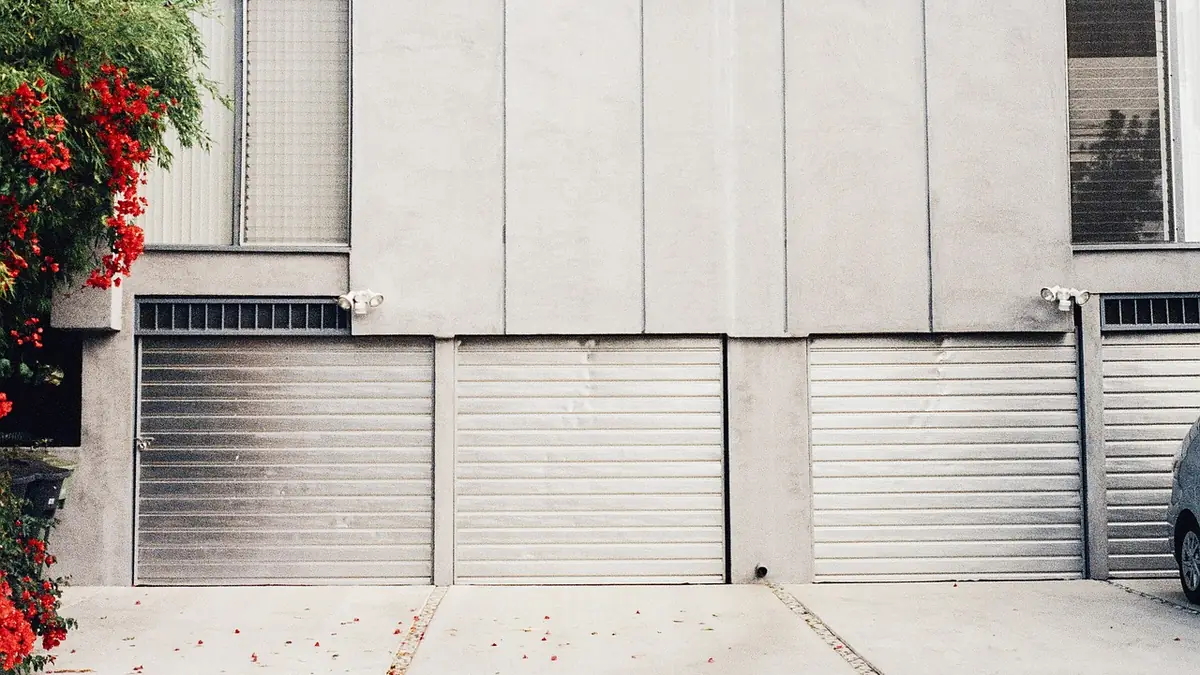
A concrete driveway is the largest poured surface most Sarasota homeowners will ever pay for, and the quotes you get will vary by thousands of dollars for what sounds like the same job. The difference is almost always in the details: slab thickness, wire mesh or rebar, base prep, joint layout, and which finish you pick.
This guide breaks down realistic price ranges for the Sarasota area, explains how design choices change both cost and durability in our sandy soil and summer downpours, and helps you decide when a cracked driveway can be repaired and when it has to come out.
What a Concrete Driveway Costs in Sarasota
Most residential driveways in the Sarasota area land somewhere between $8 and $14 per square foot for a standard broom-finished, 4-inch slab with mesh, formed and poured on a properly compacted base. A typical two-car driveway of roughly 400 to 600 square feet therefore runs about $3,500 to $8,000, with the wide spread explained by access, demolition of the old slab, and how much grading the site needs.
Upgrades add up quickly. Bumping thickness to 5 or 6 inches for heavier vehicles or RV pads adds roughly $1 to $2.50 per square foot. Rebar in place of mesh adds another $0.75 to $1.50. Decorative finishes, from integral color to exposed aggregate or stamped patterns, can push the total to $15 to $25 per square foot or more, since labor, release agents, and sealer all climb with the complexity.
Demolition and haul-off of an existing driveway usually costs $1,500 to $3,500 depending on square footage and how much rebar is buried in it. If the old slab sits over unstable fill, expect base correction charges that are hard to see in a low bid but show up later as cracks.
- Standard 4-inch broom finish: $8–$14 per sq ft
- 5–6 inch slab for heavy vehicles: add $1–$2.50 per sq ft
- Rebar instead of mesh: add $0.75–$1.50 per sq ft
- Decorative or stamped finish: $15–$25+ per sq ft
- Demolition and haul-off: $1,500–$3,500 typical
Design Choices That Affect Durability
In Sarasota's sandy, high-water-table conditions, the base matters as much as the concrete. A driveway poured directly on disturbed fill or without 4 to 6 inches of compacted limerock or crushed base will crack and settle no matter how thick the slab is. Ask any contractor how they will handle excavation, compaction, and drainage away from the slab before you compare prices.
Joint layout is the other quiet factor. Control joints should be cut or tooled to roughly 24 to 30 inches apart in each direction for a 4-inch slab, and deeper than one-quarter of the slab thickness. Driveways wider than about 10 to 12 feet without a joint are asking for a random crack. Isolation joints where the driveway meets the garage slab or a pool deck prevent the two structures from tearing each other apart.
Reinforcement is worth the modest cost. Wire mesh helps hold cracks tight but is easily trampled during the pour; #3 or #4 rebar on chairs at 18 to 24 inch spacing gives real structural benefit, especially on driveways that carry trucks, boats, or trailers. For a long driveway, consider a thicker apron at the street where turning loads concentrate.
- 4–6 inches of compacted base under every slab
- Control joints every 24–30 inches on a 4-inch slab
- Isolation joints at garage, pool deck, and walkway junctions
- Rebar on chairs beats mesh for truck and boat traffic
- Positive slope of about 2% away from structures
Finishes: Broom, Exposed Aggregate, and Stamped
Broom finish is the default for a reason: it is the least expensive, the most slip-resistant when wet, and it hides tire marks and dust well. A light broom with a hand-troweled border gives a clean look for a modest upcharge. This is the finish most Sarasota builders use for production homes, and it holds up to sun and rain with minimal attention.
Exposed aggregate shows the stone in the mix and creates a textured, cool-looking surface that hides dirt. It costs roughly $3 to $6 per square foot more than broom because of the retarder and washing process. Stamped concrete mimics pavers or stone and can look excellent, but it demands a skilled crew, careful joint placement that follows the pattern, and resealing every two to three years in our UV-heavy climate.
Whichever finish you choose, plan the color carefully. Integral color adds $2 to $5 per square foot and is more reliable than surface stains, which can wear unevenly in driveways. If you are weighing options, our comparison of stamped vs. broom finish concrete covers durability, slip resistance, and long-term maintenance side by side.
- Broom: cheapest, best wet traction, low maintenance
- Exposed aggregate: +$3–$6 per sq ft, hides dirt
- Stamped: highest cost, reseal every 2–3 years
- Integral color: +$2–$5 per sq ft, more uniform than stain
Pouring in Florida Heat and Rainy Season
Summer pours in Sarasota are a scheduling problem. Concrete placed in direct sun with 90-degree temperatures and a breeze can set faster than the finishers can work it, leading to cold joints and surface crusting. Crews often start at dawn, use evaporation retarders, or wait for overcast days. If your contractor wants to pour at 2 p.m. in July with no shade or set-control plan, ask questions.
Afternoon thunderstorms are the other risk. A light sprinkle during finishing can raise the water-cement ratio at the surface and leave a dusty, weak top. A downpour before set can wash out the finish entirely. Reputable crews watch radar and stage pours so a driveway can be covered or finished before a storm arrives; the slab should also be protected from rapid drying afterward.
Curing is not optional here. Concrete gains most of its strength in the first week, and in Florida heat it needs moisture, not just time. Curing compound, plastic sheeting, or regular wetting for several days makes a measurable difference in surface hardness. For a fuller timeline, see how long concrete takes to cure in Florida heat.
Repair or Replace? Reading the Damage
Hairline cracks are normal and usually cosmetic. Cracks wider than a credit card, cracks with vertical displacement on either side, and cracks that run diagonally across slab corners point to base or settlement problems. A cracked slab that is still flat and stable can often be routed, cleaned, and sealed with polyurethane caulk for $150 to $500 per driveway, which buys years of service.
Spalling, where the top surface flakes off, is common on older driveways that were poured with too much water or finished too wet. Small spalled areas can be patched, but widespread spalling across a driveway usually means the surface is done. Mudjacking or polyurethane foam lifting can raise settled slabs for roughly $500 to $1,500 for a driveway, provided the concrete itself is sound and the cause of settlement has been addressed.
Resurfacing with a thin overlay is a middle path. It costs roughly $3 to $7 per square foot and can restore appearance, but it will not fix structural movement and can fail within a few years if the base is still moving. When more than a third of the slab is cracked, heaved, or settled, replacement is usually the better long-term spend. Our breakdown of sidewalk repair vs. replacement applies the same logic to flatwork decisions.
- Hairline cracks: cosmetic, monitor
- Cracks wider than 1/4 inch or with displacement: investigate
- Localized spalling: patching is viable
- Widespread spalling or heaved slabs: replace
- Slab lifting: $500–$1,500 if concrete is sound
| Option | Cost per sq ft | 400 sq ft total | Best for |
|---|---|---|---|
| Standard broom, 4 inch, mesh | $8–$14 | $3,200–$5,600 | Most homes, budget builds |
| 5–6 inch slab with rebar | $11–$18 | $4,400–$7,200 | Trucks, boats, RVs |
| Exposed aggregate | $11–$20 | $4,400–$8,000 | Texture and dirt hiding |
| Stamped concrete | $15–$25+ | $6,000–$10,000+ | Curb appeal, paver look |
| Resurfacing overlay | $3–$7 | $1,200–$2,800 | Cosmetic refresh on sound slab |
| Remove and replace | $10–$16 | $4,000–$6,400 | Failed or badly cracked slab |
Permits, Contractors, and Getting It Right
Sarasota County and the City of Sarasota generally require permits for new driveway construction and for driveway approaches that connect to the right-of-way, and the rules differ by jurisdiction. A widened apron or a new curb cut almost always triggers a review. Ask your contractor who is pulling the permit and confirm it before demolition day; the same permit question applies to whether you need a permit for a concrete slab in Sarasota.
Get at least three written bids that specify square footage, thickness, reinforcement type, base preparation, finish, joint layout, and whether demolition and haul-off are included. A bid that only says "driveway" is not a bid. Confirm licensing and insurance, ask for local references from driveways at least three years old, and check that the payment schedule holds back a meaningful final payment until the pour has cured and the site is cleaned.
If your site has tight access or the driveway is long and narrow, a pump truck can be cheaper than a string of wheelbarrow loads and damaged lawns. Our guide to concrete pumping costs explains when the pump fee pays for itself.
Sealing and Long-Term Care
A concrete driveway does not need to be sealed to perform, but a penetrating sealer applied after the slab has cured for at least 28 days helps resist stains from oil, leaves, and irrigation water. Expect to reseal every three to five years, at roughly $0.30 to $0.75 per square foot if you hire it out. Avoid film-forming sealers on sloped driveways where they can become slick when wet.
Basic maintenance makes a difference: keep the joints sealed, wash off fertilizer and lawn chemicals promptly, and avoid pressure washing at high settings that can pit the surface. Do not park heavy loads on a new driveway for the first week, and keep sprinklers from constantly soaking one spot. If you are also updating other flatwork, our guide to coloring and staining concrete covers how to refresh older surfaces without a full replacement.
- Standard broom-finished driveways in Sarasota run about $8–$14 per sq ft; decorative finishes reach $25 or more.
- Base preparation and joint layout matter as much as slab thickness for long-term performance.
- Cracks wider than a quarter inch or slabs that have settled usually point to a base problem, not just surface wear.
- Get itemized bids, confirm permit responsibility, and hold back final payment until the pour has cured.
Daniel has spent years writing about concrete construction, repair, and finishing for homeowners in the Sarasota area. He focuses on practical cost guides and clear explanations so readers can plan projects with confidence. His work covers driveways, patios, foundations, and decorative concrete finishes.